Is it Weird being an eSport Fan these days?
Why are people even following that?
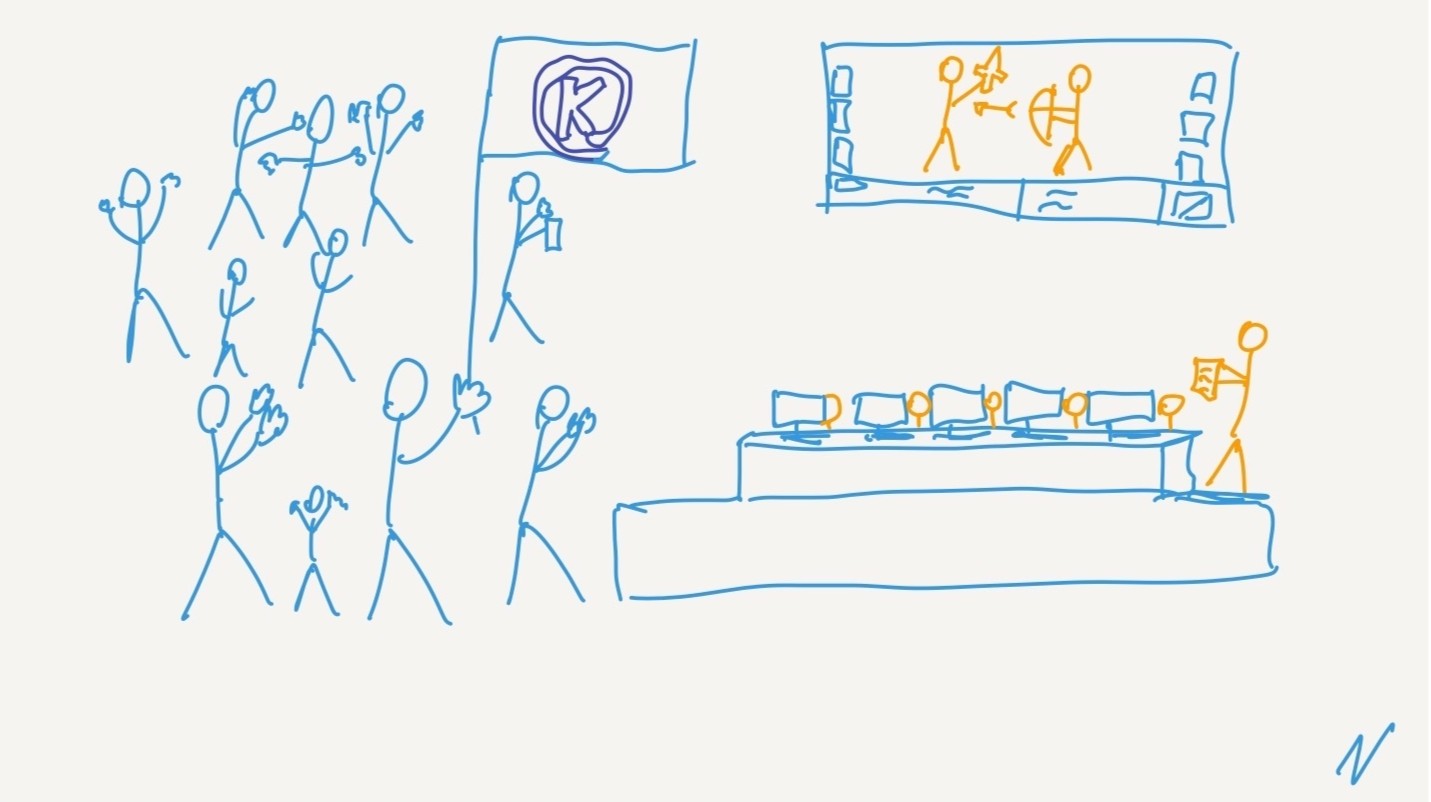
I’m not here to convince you to drop your football or tennis allegiance. But I’d like to make the case that the eSport ecosystem is building something genuinely worth paying attention to. And hopefully convince you that being emotionally invested in it is completely legitimate.
Let’s start with scale. Last year, the League of Legends World Championship finals reached nearly 7 million viewers. Not FIFA World cup numbers, or even Tennis Grand Slam or Super Bowls, but significantly bigger than a couple years ago. Since COVID-19, viewership has exploded, prize pools keep growing and sponsors are paying serious attention. Riot Games, League of Legends’ publisher has been investing heavily in franchised leagues and in-person events that are now rivaling traditional sports in terms of ambition and production quality.
But as a fan, the growth story isn’t what makes eSports interesting to me. It’s the proximity. Players, organizations, coaches and commentators are interacting with their communities in ways traditional athletes aren’t even able to. Between the live streams of practice, discord servers and social media, there is a sense of closeness created. You could follow your favorite player’s journey from soloqueue to international stage and maybe even meet them at an offline event. One might argue that it also creates para-social relationships that aren’t always healthy, especially in today’s world. But the upside is a fan experience that feels more interactive and participatory than a pure spectator.
Accessibility is also worth mentioning. If you want to watch the best players in the world compete or progress, just open your browser and find them on a streaming platform. No expensive subscriptions, no geography barrier or ticket lottery. And if you can go further and attend offline events, I’d strongly recommend you do so.

Finally, there is the inclusivity work, that is still underappreciated. Riot Games created the “Game Changers” leagues specifically to provide a competitive pathway for women and marginalized genders in games like League of Legends or Valorant. This works on both fronts: addresses the “young nerd guy” stereotype that historically dominated gaming culture and creates a safer environment for non-male players to improve and compete.
On my side, what I genuinely like about eSports athletes is how much easier it is for me to look up to them. We’re moving away from physically perfect and rigorously trained athletes who feel completely unreachable, and getting closer to what looks like a normal person who got really good at something they love. And yes it both undersells what it takes to be a pro gamer and yes, I’m playing with the stereotype of the super-rich super-handsome super-jacked football player, but who hasn’t used a stereotype or two to make a point?