We Stopped Making Seniors
Where did the bottom rung of the career ladder go?
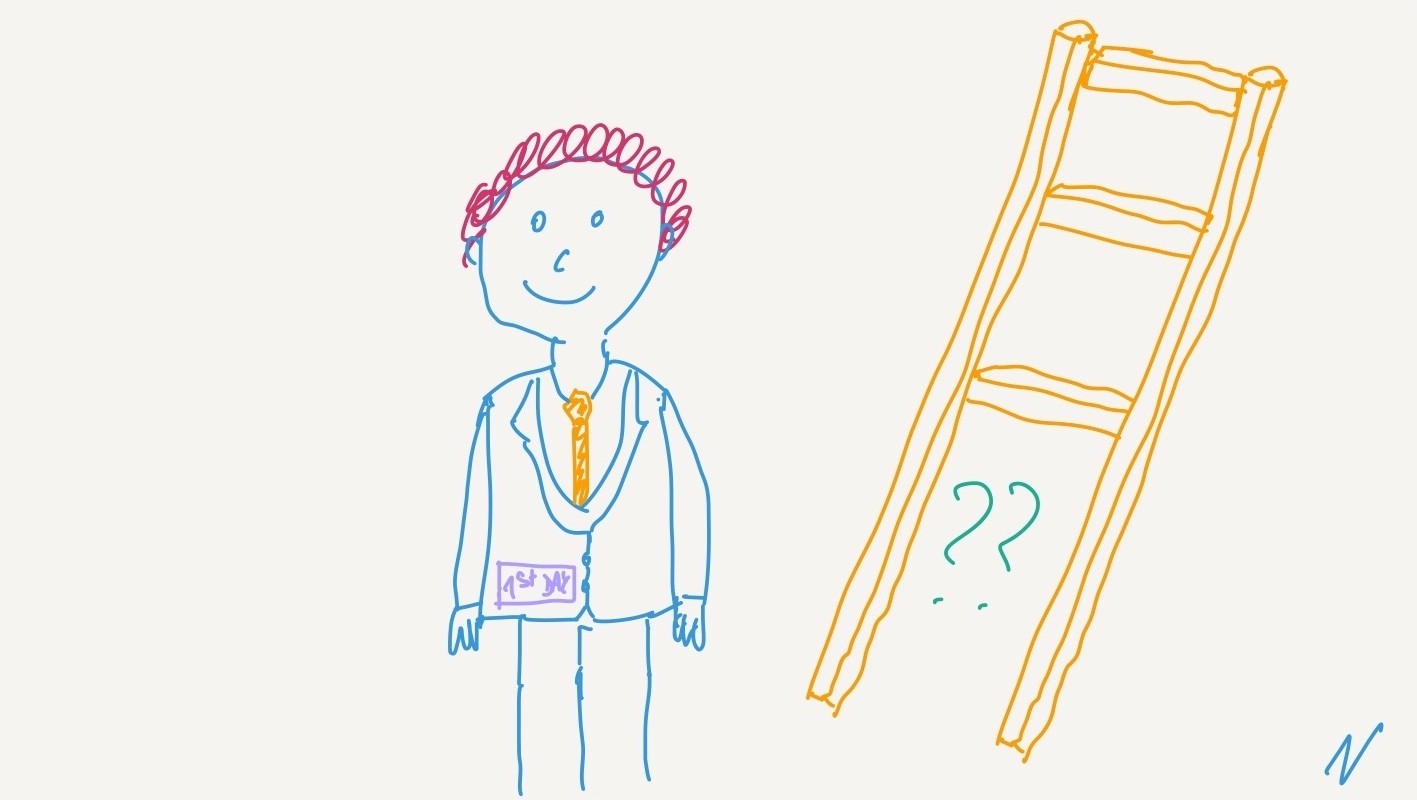
A few years ago, hiring from Solvay right after graduation was the default process for many companies in Brussels. It seems like the wind has turned. Maybe the education got too theoretical, maybe there are just more Solvay grads chasing the same desks.
What was unexpected, however, is that this difficulty to find a job isn’t just for Solvay. It is a general sentiment and is affecting most young graduates. It is also backed by data, where we’re reaching “Covid19-era” unemployment rates for young people in Belgium. But the problem is not really about the absolute value of “fewer jobs”, it is about which jobs. Whose jobs are being affected by recent technological improvements: remote work and AI?
Here is the version you already know, and which I believed too. Entry-level work is, almost by definition, the pile of stuff that more experienced workers hand to someone with zero experience: the first draft, the cleanup, the info gathering, the note-taking, the meeting-scheduling. Unfortunately, this is, by definition once more, what a large language model nails on the first try (maybe second try if it’s hard).
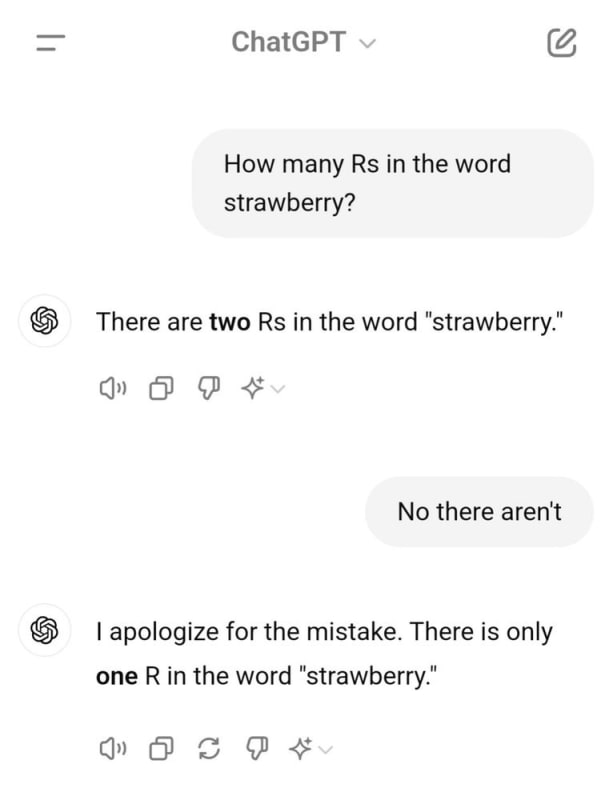
Stanford even put a number on it: 13%. That’s the relative drop in employment for AI-exposed workers (mostly white-collars) aged 22 to 25 since late 2022. What do we call a ladder that is missing its first steps? AI is getting the blame for that.
In May, Lambert and Schindler went through hundreds of millions of hires and job postings (probably helped by AI, ironically). And here is when it gets interesting.
Both AI exposure and remote-work rates tracked the junior collapse. Fine. But when the 2 researchers pulled the two apart, the AI link went faint. Their verdict was thus that remote work was doing most of the damage, not AI. Picture both jobs. Lawyers saw a weakening of junior hiring. It’s a hard job for AI, but easy to do remotely. Receptionists are easy for AI to do but impossible to do remotely, and their junior hiring is fine. If AI was the cause, it should be the other way round. Except the Stanford team ran that same test, and say their AI signal holds even after subtracting the work-from-home jobs.
The reason they can’t agree is that “a machine can do this job” and “you can do this job from your sofa” describe almost the same list of jobs. They are nearly impossible to pull apart. Lawyers and receptionists are the rare jobs where AI-doability and remote-doability point in opposite directions.
Nobody learns a job from a Jira ticket, or from Slack discussions. You learn a job by an over-the-shoulder peek at someone good, coffee chat, behaviors in meetings and what to not put in an email. That’s stuff nobody writes down.
Remotely (and I’ve personally noticed some of this stuff in the past couple months), the friction goes up. No discussion at lunch without scheduling a call. No quick question in the hallway before a meeting nor quick feedback after a meeting. The teaching goes down because of the distance. The junior quietly becomes expensive to grow, and juniors now have to self-teach what the office used to give them.
Remote doesn’t always mean less workload, smaller ambition and absence of mentorship, but it definitely changes how the work looks from outside. A manager who only sees you as a Slack handle (not my case, don’t worry) and a finished doc is a lot more likely to think: “maybe Fable 5 could have done that”. Being in the room is evidence, and it shows the soft skills that stay invisible from home. AI isn’t innocent, but remote work can sometimes abstract the work from the worker.
The impact of AI on remote junior workers isn’t a conclusion in itself. It’s the start of yet another problem, 10 years from now. Who will become the seniors of next decade if no one wants to pay to grow them now?
It’s the robustness-versus-performance trade-off again (last time I'm referencing Hamant, I swear): a company that decreases its junior hiring headcount is optimizing for cheap output right now, at the expense of the sometimes-messy and expensive pipeline that transforms a 23-year-old junior into an important 35-year-old executive. A body that stops making new cells looks perfectly healthy, right up until it doesn't.